How to Build a Reading Habit: Practical Guide for Beginners
Many people want to read books, but they struggle to stay consistent. They buy books, start reading with excitement, and then stop after a few days. Sometimes the problem is not lack of interest. The problem is lack of a simple reading system.
Building a reading habit does not require reading one book every week. It starts with reading a few pages every day, choosing the right books, keeping books visible, and making reading easy.
This practical guide will help beginners build a reading habit step by step.
Quick Answer
If you want to build a reading habit, start small.
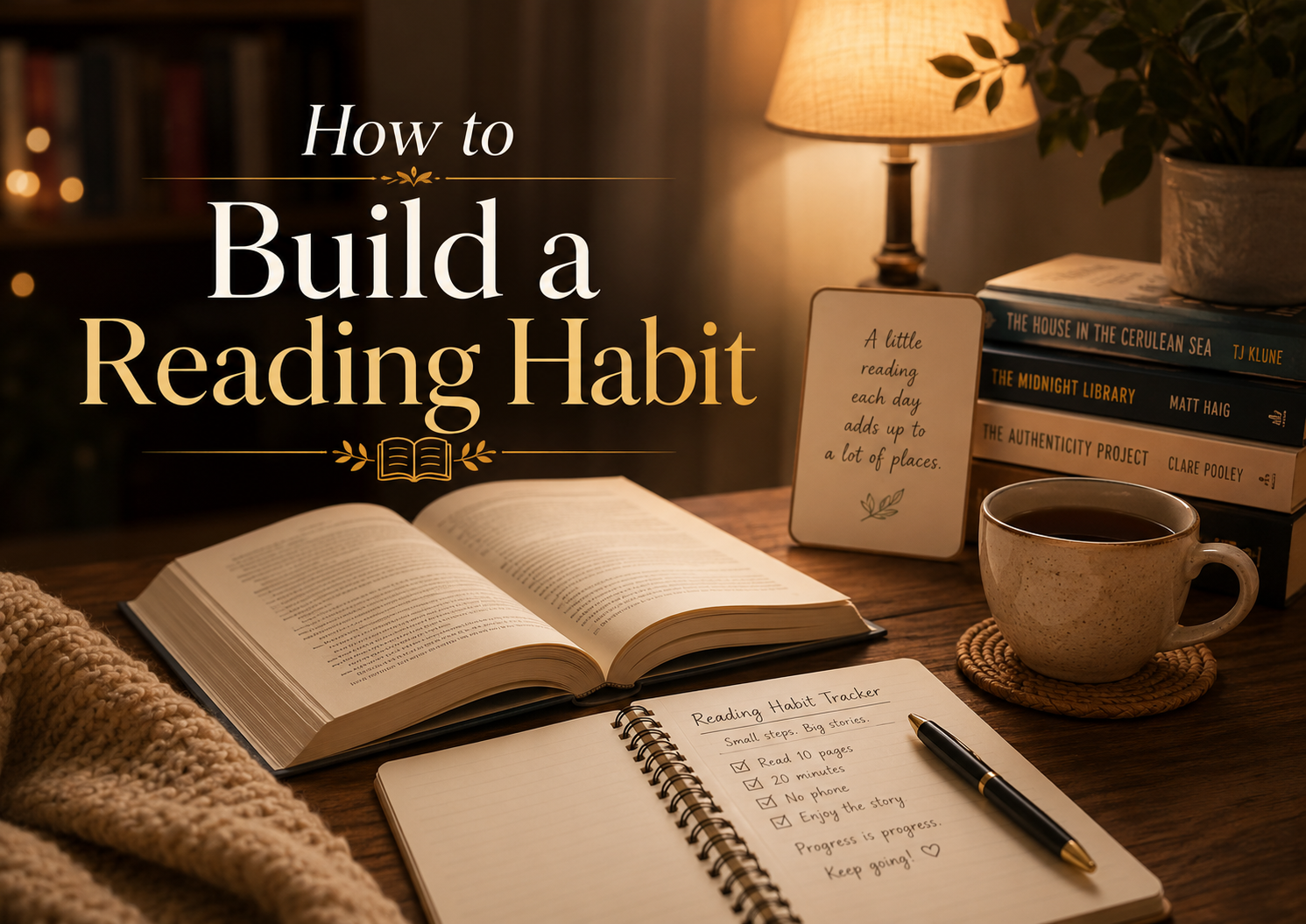
Read only 5 to 10 pages daily. Keep one book near your bed or desk. Choose an easy and interesting book. Avoid starting with difficult books. Track your reading progress and apply one useful idea from every book.
The goal is not to read fast. The goal is to read consistently.
Why Building a Reading Habit Is Difficult
Many beginners fail to build a reading habit because they make reading too difficult in the beginning.
Common reasons include:
- Choosing difficult books
- Trying to read too many pages daily
- Reading only when motivated
- Keeping books out of sight
- Using phone before reading
- Not having a fixed reading time
- Buying too many books at once
- Not connecting reading with a personal goal
Reading becomes easier when you make it simple, visible, and part of your daily routine.
1. Start with a Very Small Target
Do not start with a target like “I will read 50 pages every day.” That may work for a few days, but it becomes difficult to continue.
Start with:
- 5 pages per day
- 10 minutes per day
- One chapter per week
- 15 minutes before sleeping
- 10 pages after morning tea
Small targets are powerful because they reduce resistance.
If you read 5 pages daily, you can read around 150 pages in a month. That means you can finish a short book in one or two months without pressure.
2. Choose the Right First Book
Your first book should be easy, useful, and interesting. Do not choose a very difficult book only because it is famous.
For beginners, good categories include:
- Self-help
- Personal growth
- Money mindset
- Simple biographies
- Short spiritual books
- Communication books
- Productivity books
Good beginner-friendly books include:
- Atomic Habits
- Ikigai
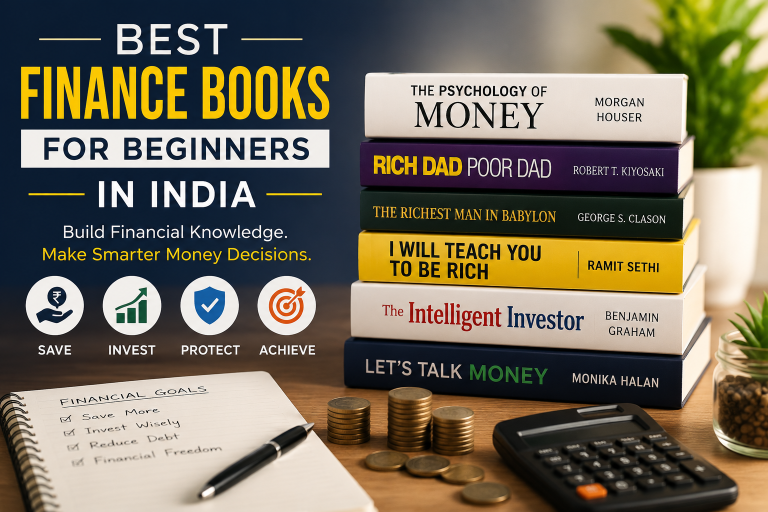
- The Psychology of Money
- The Alchemist
- Rich Dad Poor Dad
- How to Win Friends and Influence People
Choose a book based on your current need, not only popularity.
3. Keep Books Visible
If your book is inside a cupboard, you may forget to read it. Keep your current book where you can see it daily.
Good places:
- Bedside table
- Work desk
- Study table
- Near your tea/coffee place
- Inside your office bag
- Near your sofa
- Beside your laptop
This follows a simple habit principle: make the habit obvious.
When the book is visible, reading becomes easier to start.
4. Attach Reading to an Existing Habit
One of the best ways to build a new habit is to connect it with an existing habit.
This is called habit stacking.
Examples:
- After morning tea, I will read 5 pages.
- After dinner, I will read for 10 minutes.
- Before sleeping, I will read one chapter.
- After lunch break, I will read 2 pages.
- After switching off my laptop, I will read for 15 minutes.
This works because your existing habit becomes a reminder for your new reading habit.
5. Reduce Phone Distraction
The biggest enemy of reading is often the phone.
Many people plan to read but start scrolling Instagram, YouTube, WhatsApp, or news apps. After 30 minutes, they feel tired and skip reading.
Before reading:
- Keep your phone away
- Turn off notifications
- Use airplane mode
- Keep the phone in another room
- Set a 15-minute reading timer
- Avoid checking messages during reading
Even 15 minutes of focused reading is better than one hour of distracted reading.
6. Read at the Same Time Daily
A fixed reading time makes the habit easier.
Best reading times:
- Early morning
- During commute, if safe and comfortable
- Lunch break
- Evening tea time
- Before sleeping
- Sunday morning
For most beginners, bedtime reading works well because it also reduces screen time.
Choose one fixed time and follow it daily.
7. Create a Simple Reading Setup
A good reading setup can make reading more comfortable.
Useful accessories include:
- Reading lamp
- Bookmark
- Notebook
- Pen or highlighter
- Book stand
- Sticky notes
- Cup of tea or coffee
You do not need expensive accessories. Start with a bookmark, notebook, and pen.
If you read at night, a reading lamp is very useful.
8. Take Notes While Reading
Reading becomes more valuable when you take notes.
You can write:
- Important ideas
- Best quotes
- Personal reflections
- Questions
- Action points
- Lessons to apply
- Similar book ideas
For self-help, finance, business, and psychology books, note-taking is very useful.
A simple note format:
| Section | What to Write |
|---|---|
| Book Name | Title and author |
| Main Idea | What the book is about |
| Key Lessons | 3 to 5 important lessons |
| Best Quote | One memorable line |
| Action Point | One thing to apply |
| My Rating | Your personal rating |
Do not try to write too much. Write only what is useful.
9. Apply One Idea from Every Book
Reading more books is not enough. Applying one useful idea is more important.
For example:
From Atomic Habits, apply habit stacking.
From The Psychology of Money, start tracking expenses.
From Ikigai, identify activities that give you purpose.
From Deep Work, keep one focused work block daily.
From How to Win Friends and Influence People, listen more carefully during conversations.
A book becomes valuable when it improves your thinking or action.
10. Do Not Force Yourself to Finish Every Book
Not every book is right for you at every stage.
It is okay to stop a book if:
- It feels too difficult
- It is not useful now
- You are not connecting with it
- It repeats ideas you already know
- You selected it only because it was popular
You can return to that book later.
Reading should be disciplined, but it should not become punishment.
11. Track Your Reading Progress
Tracking gives motivation and clarity.
You can track:
- Book name
- Start date
- Finish date
- Pages read
- Key lessons
- Rating
- Action taken
You can use:
- Notebook
- Excel sheet
- Google Sheet
- Reading journal
- Habit tracker app
- Goodreads
For beginners, a simple notebook is enough.
12. Build a Small Reading List
Do not buy 20 books at once. Start with 3 to 5 books.
A good beginner reading list:
- Atomic Habits
- The Psychology of Money
- Ikigai
- Rich Dad Poor Dad
- How to Win Friends and Influence People
This gives you a good mix of habits, money, purpose, finance, and communication.
13. Read According to Your Goal
Choose books based on what you want to improve.
If You Want Discipline
- Atomic Habits
- The 5 AM Club
- The Power of Habit
If You Want Money Mindset
- The Psychology of Money
- Rich Dad Poor Dad
- The Richest Man in Babylon
If You Want Career Growth
- Deep Work
- The 7 Habits of Highly Effective People
- How to Win Friends and Influence People
If You Want Purpose and Peace
- Ikigai
- The Alchemist
- Man’s Search for Meaning
If You Want Focus
- Deep Work
- Essentialism
- The One Thing
Reading becomes more meaningful when it solves a real problem in your life.
14. Join a Reading Community
Reading alone is good, but discussing books can increase motivation.
You can:
- Follow book pages on Instagram
- Join book discussion groups
- Share lessons with friends
- Start a family reading habit
- Discuss books with colleagues
- Comment on book review posts
- Follow reading blogs
A reading community helps you discover new books and stay consistent.
15. Use the 30-Day Reading Habit Plan
Here is a simple 30-day plan.
Week 1
Read 5 pages daily. Keep the book visible. Do not worry about speed.
Week 2
Read 10 pages daily. Start taking short notes.
Week 3
Apply one idea from the book. Share one lesson with someone.
Week 4
Finish or continue the book. Write a short summary of what you learned.
At the end of 30 days, your reading habit will feel more natural.
Best Time to Read
There is no perfect time for everyone.
But these times work well:
- Morning: Best for fresh thinking
- Afternoon: Good for light reading
- Evening: Good after work
- Night: Good for reducing screen time
- Weekend: Good for longer reading sessions
Choose the time that fits your routine.
How Many Pages Should Beginners Read Daily?
Start with:
- 5 pages per day if you are very busy
- 10 pages per day if you have moderate time
- 20 pages per day if you already enjoy reading
Do not compare with others. Consistency matters more than speed.
Common Mistakes to Avoid
Avoid these mistakes:
- Starting with very difficult books
- Buying too many books
- Reading only for motivation
- Not applying ideas
- Not taking notes
- Comparing reading speed
- Reading while checking phone
- Quitting after missing one day
- Reading books only because they are trending
- Not choosing books based on your goal
A good reading habit grows slowly.
Best Books to Start Your Reading Habit
If you are confused, start with these:
Best Overall
Atomic Habits
Best for Money Mindset
The Psychology of Money
Best for Purpose
Ikigai
Best for Communication
How to Win Friends and Influence People
Best for Finance Awareness
Rich Dad Poor Dad
Best for Focus
Deep Work
Start with one book. Read slowly. Apply one lesson.
Final Recommendation
Building a reading habit is not about reading many books quickly. It is about reading consistently and using books to improve your thinking, habits, decisions, and life.
Start with 5 pages daily. Keep your book visible. Choose an easy and useful book. Reduce phone distraction. Take simple notes. Apply one idea from every book.
The best reading habit is the one you can continue.
Start small. Read daily. Grow slowly.