Many people work hard, earn money, pay bills, take loans, and still feel financially stuck. Rich Dad Poor Dad by Robert Kiyosaki is one of the most popular personal finance books for beginners because it challenges the traditional way people think about money, salary, assets, liabilities, and financial education.
This review will help you understand what the book is about, who should read it, key lessons, pros and cons, and whether Rich Dad Poor Dad is still useful for Indian readers today.
Quick Verdict
Rich Dad Poor Dad is a useful beginner-level finance mindset book. It is not a complete investment guide, but it can help readers start thinking differently about money, income, assets, liabilities, and financial independence.
| Point | Verdict |
|---|---|
| Best for | Beginners, students, employees, business-minded readers |
| Not ideal for | Readers looking for detailed investment, tax, or financial planning guidance |
| Difficulty level | Easy |
| Main theme | Financial education, assets, liabilities, money mindset |
| Indian reader relevance | High |
| Overall rating | 4/5 |
Book Details
| Detail | Information |
|---|---|
| Book Name | Rich Dad Poor Dad |
| Author | Robert Kiyosaki |
| Category | Personal finance, money mindset, financial education |
| Best for | Beginners who want to understand money differently |
| Reading style | Simple, story-based, mindset-focused |
What Is Rich Dad Poor Dad About?
Rich Dad Poor Dad explains money lessons through two father figures:
- Poor Dad represents traditional thinking: study hard, get a secure job, work for salary, and avoid risk.
- Rich Dad represents financial education: learn how money works, build assets, understand business, and make money work for you.
The book focuses on the difference between working for money and building financial intelligence.
In simple words, the book is about:
- Understanding assets and liabilities
- Building financial education
- Thinking beyond salary
- Learning how money works
- Avoiding unnecessary lifestyle spending
- Building income-generating assets
- Developing a business and investor mindset
Why This Book Became So Popular
The biggest reason Rich Dad Poor Dad became popular is that it explains money in a simple and emotional way. Many readers connect with the idea that traditional education teaches many subjects but often does not teach practical financial education.
For Indian readers, this is very relevant because many families focus heavily on education, jobs, marks, degrees, and salary, but financial education is often ignored.
The book makes readers ask important questions:
- Am I only working for salary?
- Do I understand assets and liabilities?
- Am I buying things that make me look rich but keep me financially weak?
- Am I building long-term financial knowledge?
- Do I know how money can work for me?
Who Should Read Rich Dad Poor Dad?
This book is suitable for:
- Students who want early financial awareness
- Working professionals who depend only on salary
- People who want to understand assets and liabilities
- Beginners starting their personal finance journey
- Business-minded readers
- People who want to improve their money mindset
- Parents who want to teach basic money thinking to children
Who Should Avoid This Book?
This book may not be suitable for:
- Readers looking for detailed Indian tax planning
- People who want mutual fund or stock market guidance
- Readers expecting a complete financial roadmap
- Advanced investors
- People who want practical spreadsheets, formulas, or step-by-step investment plans
- Readers who prefer technical finance books
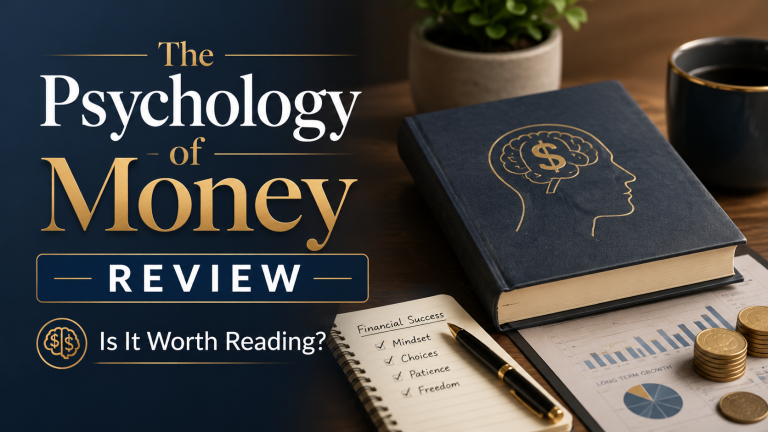
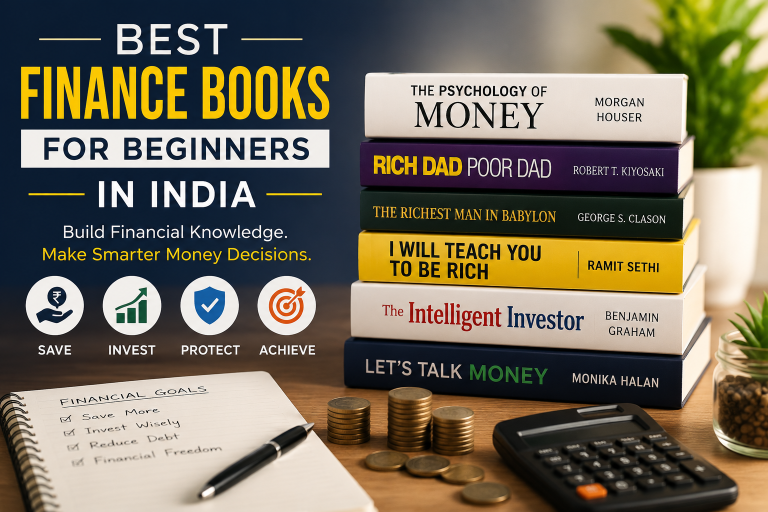
If you want a behaviour-focused finance book, read The Psychology of Money. If you want Indian personal finance planning, read Let’s Talk Money. If you want beginner money mindset, Rich Dad Poor Dad is a good starting point.
My Personal Reading Experience
I found Rich Dad Poor Dad useful because it makes finance simple for beginners. The book does not go deeply into investment calculations, but it changes the way a reader thinks about money.
The most useful idea for me is the difference between assets and liabilities. Many people buy things that increase expenses and still believe they are becoming financially successful. This book encourages readers to think about whether their money is creating more money or only creating more monthly pressure.
For Indian readers, this book is useful as a mindset starter. However, it should not be treated as a complete financial planning book. After reading it, readers should learn more about saving, emergency funds, insurance, taxation, mutual funds, and responsible investing.
Key Lessons from Rich Dad Poor Dad
1. Financial Education Is Important
One of the main messages of the book is that formal education and financial education are different.
A person may have a good degree and a good job but still struggle with money because they do not understand saving, investing, assets, liabilities, taxes, debt, and cash flow.
This lesson is very important for Indian readers because many people focus on getting a job but do not learn how to manage and grow money properly.
2. Understand Assets and Liabilities
The book’s most famous idea is the difference between assets and liabilities.
In simple words:
- An asset puts money in your pocket.
- A liability takes money out of your pocket.
This idea helps beginners understand why income alone does not create wealth. If your expenses and liabilities keep increasing with your income, financial pressure may continue.
3. Do Not Depend Only on Salary
The book encourages readers not to depend only on salary. A salary can provide stability, but financial independence usually requires better money management, investing, assets, and additional income sources.
For working professionals, this lesson is practical. A job is important, but financial education is also important.
4. Learn How Money Works
Many people work hard for money but do not understand money deeply. The book encourages readers to learn about business, investing, accounting basics, cash flow, and financial decision-making.
For beginners, this does not mean taking big risks immediately. It means starting with learning.
5. Avoid Lifestyle Inflation
Lifestyle inflation happens when your expenses increase as your income increases.
Examples:
- Higher salary, but bigger EMIs
- Better income, but more unnecessary shopping
- More income, but no savings
- Expensive lifestyle for social status
The book indirectly warns readers to be careful about spending money only to look successful.
6. Build Income-Generating Assets
The book encourages readers to focus on assets that can generate income or increase long-term financial strength.
Examples may include:
- Business income
- Investments
- Rental income
- Intellectual property
- Skills that create earning opportunities
Important note: readers should understand risk properly before investing or starting any financial activity.
7. Mindset Matters
The book repeatedly shows that mindset affects financial decisions. If someone believes money is only earned through salary, they may never explore other possibilities. If someone learns financial education, they may start thinking more strategically.
Mindset alone is not enough, but mindset can become the starting point.
Practical Applications for Indian Readers
For Students
- Learn basic money concepts early
- Understand saving and investing before earning a big salary
- Avoid thinking that marks and degrees alone guarantee financial success
- Build skills that can create income
- Read more beginner finance books
For Working Professionals
- Do not depend only on salary growth
- Track your expenses
- Avoid unnecessary EMIs
- Build an emergency fund
- Learn about investments slowly and responsibly
- Start building long-term financial knowledge
For Business Owners
- Understand cash flow
- Separate business and personal money
- Invest in financial literacy
- Avoid spending business income carelessly
- Build systems that create long-term value
For Parents
- Teach children basic money habits
- Discuss saving and spending wisely
- Encourage financial education along with formal education
- Help children understand needs versus wants
For Beginners
- Start with money mindset
- Learn the difference between assets and liabilities
- Avoid quick-rich schemes
- Do not invest without understanding risk
- Read multiple finance books, not just one
Pros and Cons
Pros
- Easy to understand
- Good for beginners
- Changes how readers think about money
- Explains assets and liabilities simply
- Encourages financial education
- Useful for students and working professionals
- Story-based and engaging
Cons
- Not a complete financial planning guide
- Does not explain Indian tax, mutual funds, or insurance
- Some examples may not directly fit every Indian reader
- Can feel oversimplified for advanced readers
- Readers may need more practical books after this
- Some ideas need careful application, not blind copying
Rating Breakdown
| Criteria | Rating |
|---|---|
| Practical value | 4/5 |
| Beginner friendliness | 4.5/5 |
| Writing style | 4/5 |
| Depth of ideas | 3.5/5 |
| Indian reader relevance | 4/5 |
| Re-read value | 4/5 |
Rich Dad Poor Dad vs The Psychology of Money
| Point | Rich Dad Poor Dad | The Psychology of Money |
|---|---|---|
| Main focus | Assets, liabilities, financial education | Money behaviour and psychology |
| Difficulty | Easy | Easy to Medium |
| Best for | Beginner financial awareness | Mature money mindset |
| Style | Story-based lessons | Short essays and examples |
| Indian reader relevance | High | Very high |
| Practical depth | Conceptual | Behaviour-focused |
Read Rich Dad Poor Dad if you want to understand assets, liabilities, and financial education.
Read The Psychology of Money if you want to understand financial behaviour, patience, saving, risk, and wealth mindset.
Both books are useful, but they solve different problems.
Similar Books You May Like
If you like Rich Dad Poor Dad, you may also like:
- The Psychology of Money by Morgan Housel
- The Richest Man in Babylon by George S. Clason
- Think and Grow Rich by Napoleon Hill
- Let’s Talk Money by Monika Halan
- The Millionaire Next Door by Thomas J. Stanley and William D. Danko
- Your Money or Your Life by Vicki Robin and Joe Dominguez
Important Note
This review is for educational and informational purposes only. Personal finance decisions should be made based on your income, responsibilities, goals, risk capacity, and professional advice where needed.
Do not treat any book as complete financial advice. Use books to build understanding, then make responsible decisions.
Final Verdict
Rich Dad Poor Dad is still useful today as a beginner money mindset book. It can help readers understand assets, liabilities, financial education, and the importance of thinking beyond salary.
However, it is not enough for complete financial planning. Indian readers should use this book as a starting point and then continue learning about emergency funds, insurance, taxation, investing, mutual funds, budgeting, and long-term financial planning.
Final Recommendation
Read Rich Dad Poor Dad if you are new to personal finance and want to change the way you think about money.
Skip it if you are looking for advanced investing, taxation, or detailed Indian financial planning guidance.